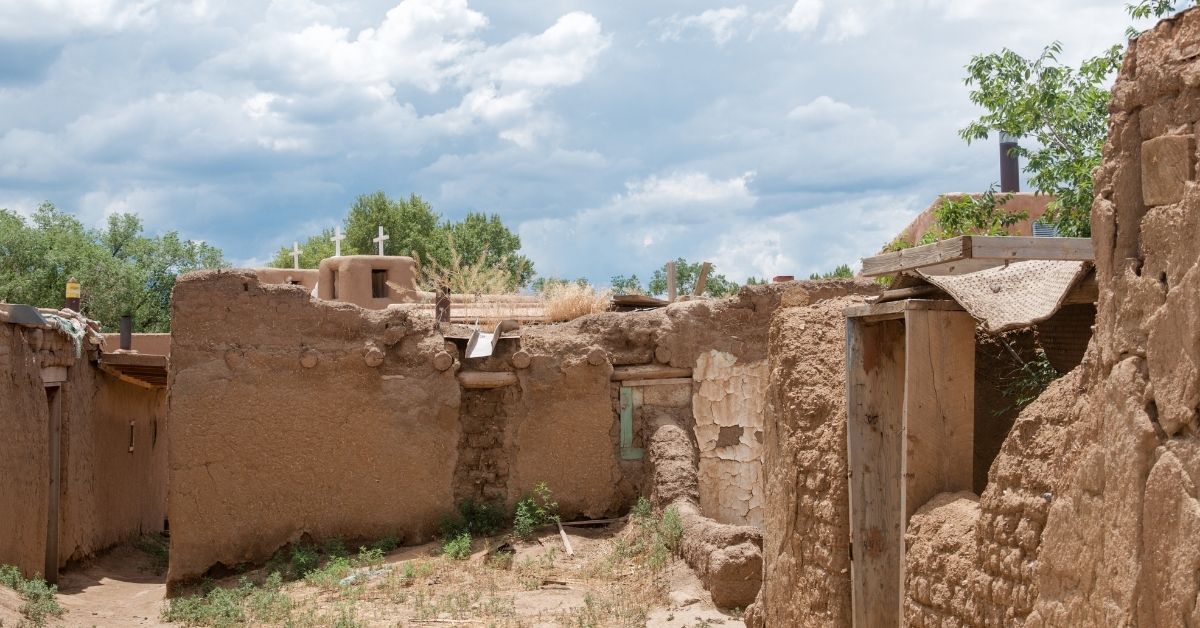
Cultural Preservation & Sacred Sites
Cultural Preservation & Sacred Sites Services
We represent tribal clients in protecting sacred sites and culturally significant areas through legal advocacy, regulatory processes, and litigation when necessary. Our team handles Section 106 consultations, NAGPRA claims, and federal/state agency engagement to ensure tribal culture is respected and preserved.
Protecting tribal heritage and sacred places is central to honoring New Mexico’s Native nations. Tribal governments exercise authority over cultural resources on their lands, while federal and state laws—along with intergovernmental agreements—govern how projects and activities may affect archaeological sites, traditional use areas, and places of spiritual significance.
Key Aspects of Cultural Preservation & Sacred Sites
- Tribal Regulatory Authority
Each tribe maintains its own cultural-resource ordinances and review processes for any ground-disturbing work on reservation lands. - Federal Protections
– National Historic Preservation Act (NHPA) requires Section 106 review for federal undertakings that may affect historic properties, including tribal consultation.
– Native American Graves Protection and Repatriation Act (NAGPRA) governs the handling, repatriation, and disposition of human remains and cultural items. - State Statutes & Procedures
New Mexico’s Cultural Properties Act and Archaeological Protection Act establish permits and review for projects off-reservation, with mandatory coordination between state agencies and tribes. - Intergovernmental Consultation
Under federal and state law, agencies must consult tribes on impacts to intangible heritage—such as sacred landscapes and ceremonial use areas—and document tribal concerns in planning records. - Site Management & Monitoring
Tribal Historic Preservation Offices (THPOs) often lead on-site condition assessments, mitigation planning, and long-term stewardship of both tangible and intangible resources.
Common Challenges & Navigational Issues
- Identifying Sacred Places
Many sites’ locations and significance are confidential; ensuring secure tribal consultation is critical. - Balancing Development & Preservation
Projects on or near tribal lands must integrate tribal cultural-resource surveys and, if necessary, adapt designs or implement protective measures. - Complex Permitting
Multi-agency reviews (BIA, SHPO, OSE, Corps of Engineers) can create overlapping requirements and timelines. - Repatriation & Collections
Working with museums, universities, and private collectors to return artifacts and ancestral remains under NAGPRA protocols.
Why Specialized Counsel Matters
- Efficient Consultation & Compliance
We guide project proponents through Section 106 and state processes, ensuring timely notices, thorough documentation, and respectful tribal engagement. - Drafting Agreements & MOUs
From cultural-resource protection plans to monitoring-and-treatment agreements, our team crafts enforceable documents that safeguard tribal heritage. - Dispute Resolution
When conflicts arise over project impacts or artifact custody, we represent tribes and developers in negotiations, administrative appeals, and litigation. - Repatriation Support
Assisting tribes in asserting NAGPRA claims, compiling inventories, and coordinating with repositories to return sacred objects and human remains.
Protect your cultural legacy with counsel attuned to tribal values, legal mandates, and the deep ties between people and place. Contact Baca & Stone to discuss strategies for preserving sacred sites and honoring tribal heritage.
Primary Contact

Elena Baca
Partner
Santa Fe, New Mexico
(505) 123-4567
Clara Yazzie
Partner
Santa Fe, New Mexico
(505) 123-4567