

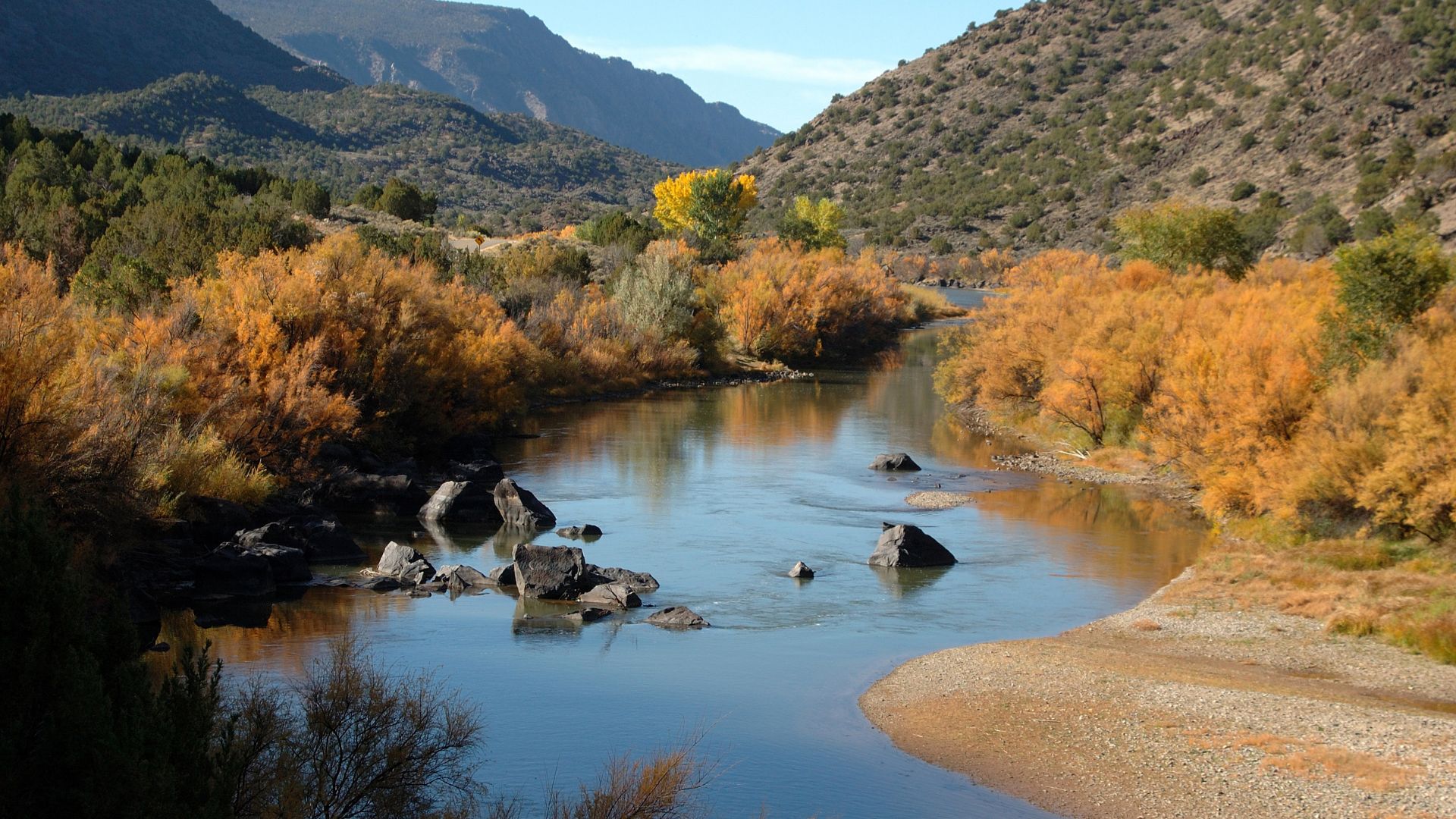
Water is life for tribal nations—but it’s also a scarce, fiercely contested resource. In New Mexico and across the Southwest, understanding the legal foundations of water rights and implementing strategic resource-management practices are essential for preserving sovereignty, supporting community needs and sustaining economic development. In this post, we’ll explore the doctrines, agreements and on-the-ground strategies that tribes can deploy to protect their water future.
The Foundations of Tribal Water Rights
The landmark Winters Doctrine (1908) established that when Congress created reservations, it implicitly reserved sufficient water to fulfill their purposes. Yet quantifying those rights and navigating competing claims from upstream users, municipalities and agricultural interests requires careful legal and technical work. Tribes must assert their senior-priority water rights and engage in negotiations that translate abstract allocations into practical, enforceable agreements.
Key Legal Tools and Agreements
Tribes have a suite of mechanisms to secure and manage water resources:
- Water-rights adjudication to quantify and confirm reserved rights
- Intergovernmental compacts with state and federal agencies for delivery and enforcement
- Water-use leasing and markets to generate revenue while maintaining seniority
- Collaborative watershed planning involving hydrologists, environmental experts and neighboring jurisdictions
Best Practices in Resource Management
Beyond legal claims, effective stewardship demands integrated planning. Developing comprehensive water-management plans—including demand projections, infrastructure assessments and conservation measures—helps tribes optimize usage year after year. Investing in data collection (stream gauges, groundwater monitoring) and training tribal staff ensures that policy decisions rest on reliable, up-to-date information.
Case Study: Pueblo X Watershed Initiative
Last year, Pueblo X partnered with the Office of the State Engineer to co-author a watershed management plan. By combining reserved-rights adjudication with a tribal-led conservation easement on upstream lands, Pueblo X secured guaranteed flows during drought years and prevented over-diversion by neighboring interests. The project also funded a new monitoring station, giving the nation real-time data on stream health.
Secure Your Water Future Today
Whether you need a full rights quantification, compact negotiation or resource-management plan, Baca & Stone is ready to guide your nation’s water strategy. Contact James “Jim” Stone for a tailored consultation.